Don’t Kill Spotted Lanternflies
The moral case, not the ecological one
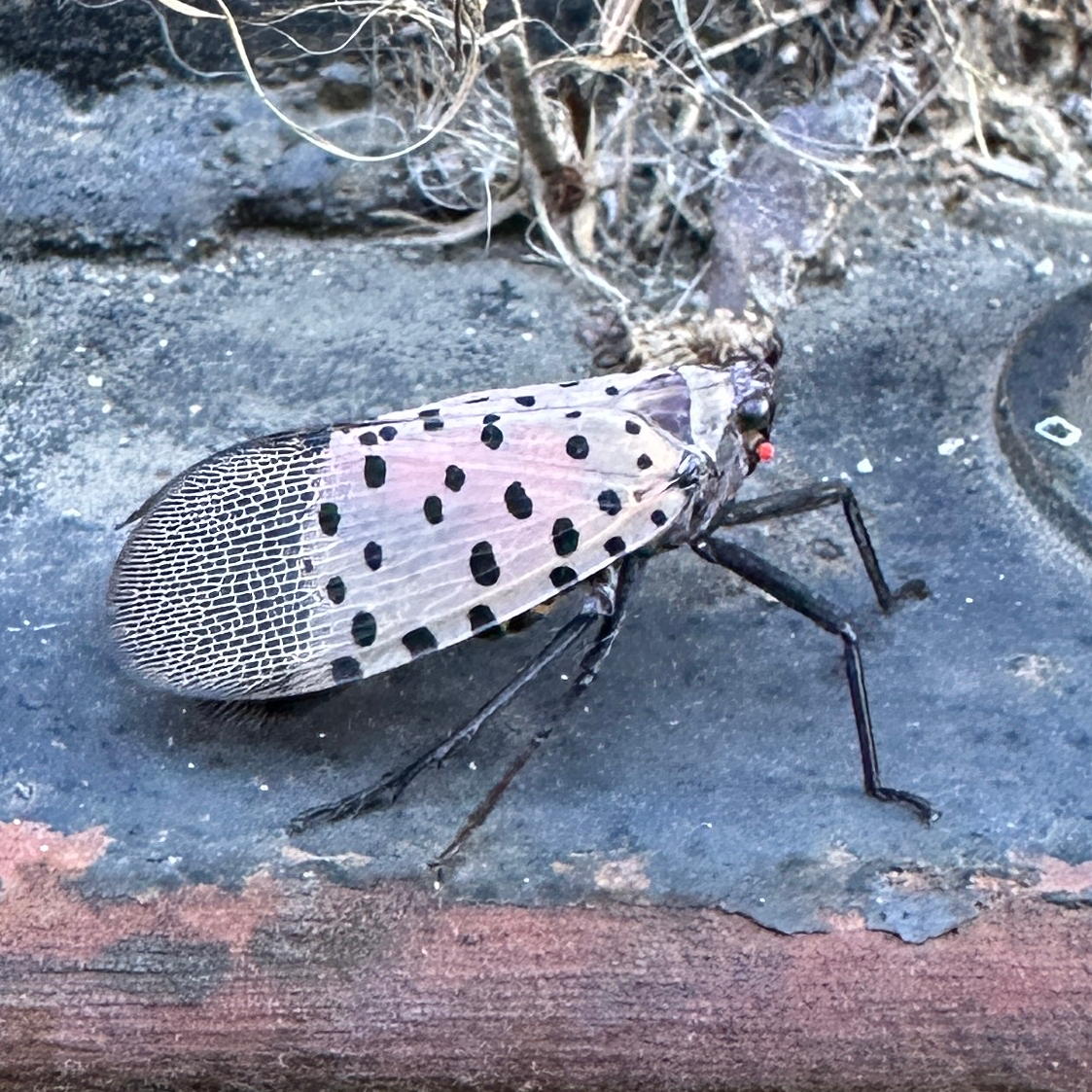
Update 10/7: Read the Psychology Today version here!
This year in D.C., when so much has felt existential and out of our control, a clear, actionable, way to care for the planet has emerged: kill spotted lanternflies.
The ecological case against them is real: they are invasive, destructive, and bad for trees.
But I still can’t bring myself to do it.
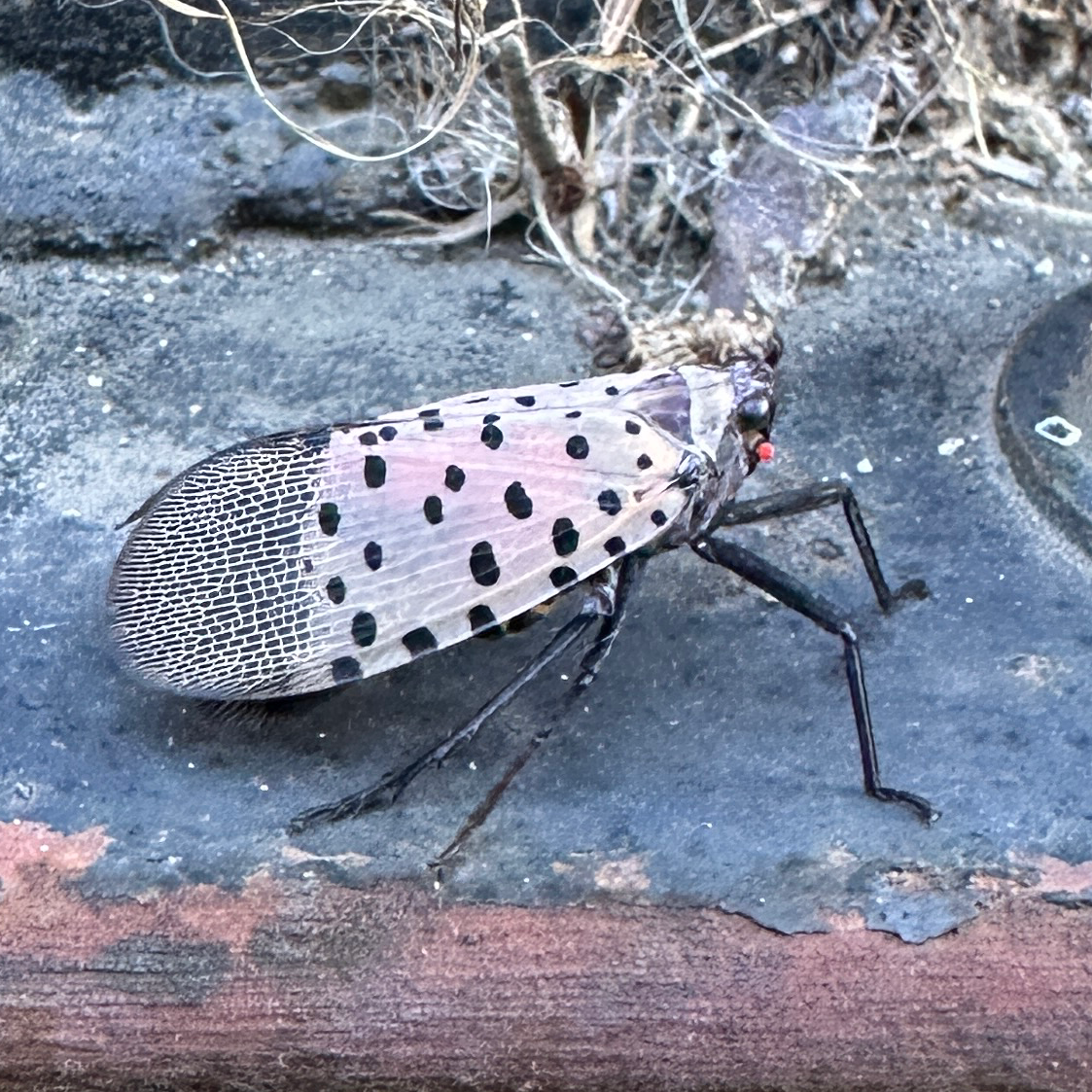
Each time I see one, with its flickering polka-dotted wings, its clumsy jumps, I hesitate. I know what I’m supposed to do, I tell myself it’s “for the greater good,” but I feel a tightening in my chest. It’s a sense that killing this tiny being takes me away from the person I want to be, and from the kind of energy our world needs now more than ever.
The Violence We Justify
Humans are skilled at justifying harm. We tell ourselves it serves a higher purpose: protecting an ecosystem, a nation, a cause. In politics, we flatten people into symbols of everything we dislike. At work, we treat colleagues and their pesky emotions as obstacles to what we need and efficiency. On the street, we talk ourselves out of giving a panhandler money or even making eye contact, convincing ourselves we’d only be “fueling the problem.”
And perhaps most of all, we skip over self-kindness in the name of being productive, useful, or agreeable.
Yes, these instincts often come from protecting something of value. But collectively, they teach us something subtle and insidious: to ignore our human instinct to care.
Trusting the Balance
If you’re thinking, “I wouldn’t want Alex on my side in a bar fight,” or “I wouldn’t send that guy to war,” you’re probably right. That killer instinct isn’t in me.
Full disclosure: I still kill plenty of mosquitoes, and I’ve had more than a few uncharitable thoughts about the people who stole both my bikes and those currently in power. I’m working on that.
But over time, I’ve come to admire those who hesitate before choosing harm, who resist the pull of “ends justify the means” thinking. For me, refusing to kill a lanternfly, eat meat, or join in gossip honors that our world needs kindness and grace, not just aggression towards what we label as invasive.
Practicing the Opposite
After years of aggressive video games, decades of adversarial politics, and living as a man, Meditation, particularly the lovingkindness practice, has helped me find more softness.
Also known as Metta, lovingkindness is about quietly wishing happiness and safety to the various beings in our lives, even people we struggle to connect with (here’s a favorite from Jack Kornfield if you want to try it for yourself).
When I see a lanternfly now, I even feel a small sense of friendship with it, seeing how beautiful and vulnerable it is, as strange as that might sound. Here are two ways to explore this in your own life:
1. Notice when you justify harm: It might sound like: “I don’t have time,” “they deserve it,” or “it’s for the best.” These are flashing yellow lights to pay attention.
2. Trust your instinct to care: When your mind starts making a convoluted case for withholding kindness or generosity, pause. Take a breath and choose the simpler option: be kind and generous now.
Kindness as Resistance
When I pause before killing a lanternfly, it’s the same feeling I get when a server is rude and I’m faced with how much to tip. It’s the same feeling when a family member or someone at work is a bit ungrateful or demanding and then wants our help.
In that moment, we get to choose between vengeance or kindness.
The more I pay attention to how aggression feels like in my body, the more certain I am which choice pulls me away from the person I want to be. And which choice is more aligned with the world I think we all want to live in.